
Understanding Amyloidosis
Amyloidosis & Heart Failure
What is Amyloidosis?
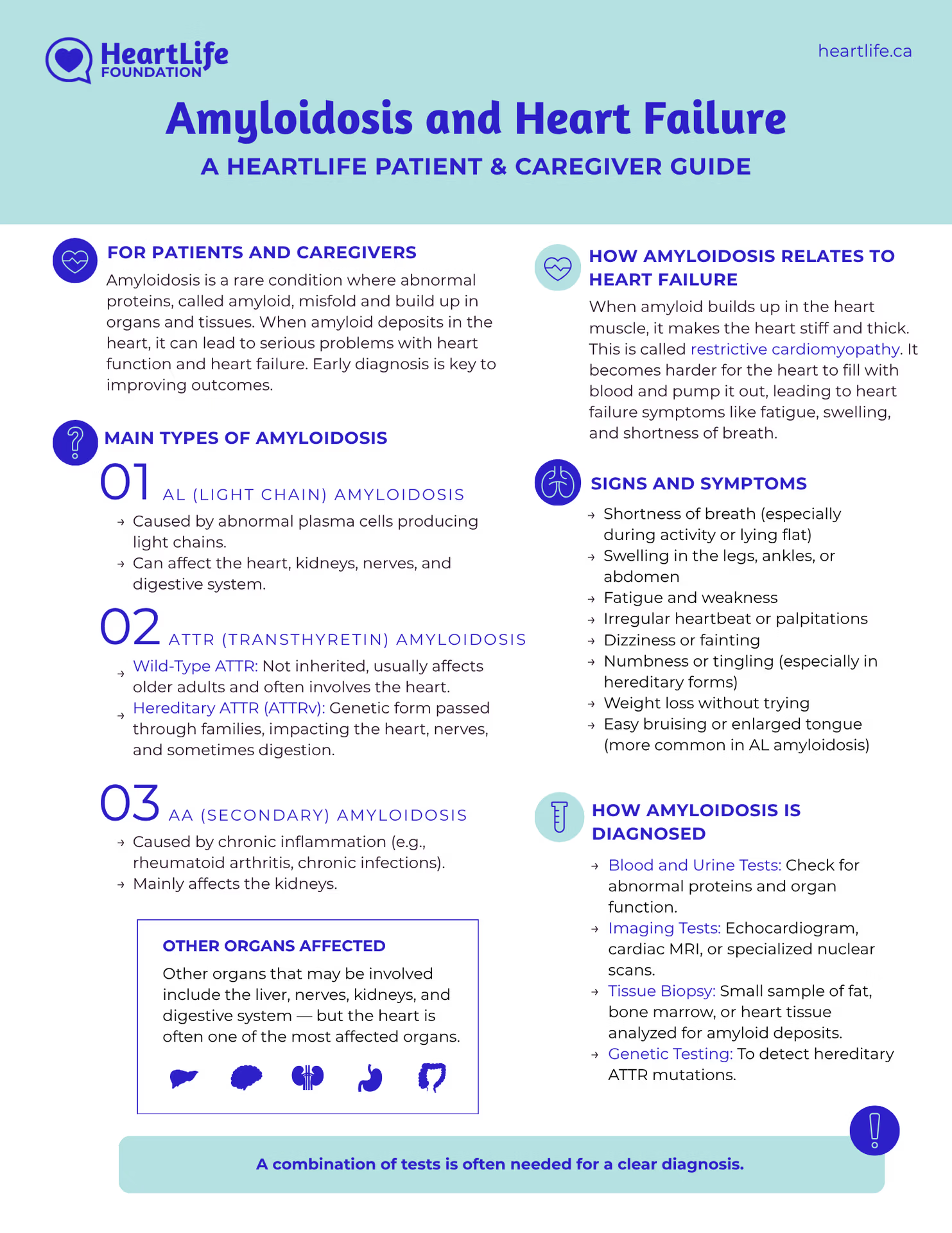
Amyloidosis is a rare condition where abnormal proteins, called amyloid, misfold and build up in organs and tissues. When amyloid deposits in the heart, it can lead to serious problems with heart function and heart failure.
Amyloidosis happens when proteins fold incorrectly and clump together, forming deposits in tissues. These deposits can disrupt how organs work. Other organs that may be involved include the liver, nerves, kidneys, and digestive system — but the heart is often one of the most affected organs.
How does Amyloidosis Relate to Heart Failure?
When amyloid builds up in the heart muscle, it makes the heart stiff and thick. This is called restrictive cardiomyopathy. It becomes harder for the heart to fill with blood and pump it out, leading to heart failure symptoms like fatigue, swelling, and shortness of breath.
Signs and Symptoms to Watch For
Shortness of breath (especially during activity or lying flat)
Swelling in the legs, ankles, or abdomen
Fatigue and weakness
Irregular heartbeat or palpitations
Dizziness or fainting
Numbness or tingling (especially in hereditary forms)
Weight loss without trying
Easy bruising or enlarged tongue (more common in AL amyloidosis)
Early diagnosis is key to improving outcomes
How Amyloidosis is Diagnosed
A combination of tests is often needed for a clear diagnosis.
Diagnosis Tests
Types of Amyloidosis
Type 1: AL (Light Chain) Amyloidosis
Caused by abnormal plasma cells producing light chains. Can affect the heart, kidneys, nerves, and digestive system.
Type 2: ATTR (Transthyretin) Amyloidosis
Caused by misfolding of the transthyretin protein that normally transports thyroxine in the blood.
Wild-Type ATTR:
- Not inherited
- Usually affects older adults
- Often involves the heart
Hereditary ATTR (ATTRv):
- Genetic form passed through families
- Impacts the heart and nerves
- Sometimes affects digestion
Type 3: AA (Secondary) Amyloidosis
Caused by chronic inflammation (e.g., rheumatoid arthritis, chronic infections). Mainly affects the kidneys.
Before Approaching Treatment
- Could my heart failure symptoms be linked to amyloidosis?
- What tests are needed to confirm the diagnosis?
- What type of amyloidosis do I have?
- What treatment options are best for my type of amyloidosis?
- Should I consider genetic testing for myself or my family?
- How will my treatment plan be different because of amyloidosis?
- TTR Protein Stabilizers: Help prevent misfolding of transthyretin protein in ATTR amyloidosis.
- Gene Silencers: Reduce the production of abnormal transthyretin proteins.
- Chemotherapy or Stem Cell Therapy: For AL amyloidosis to reduce abnormal plasma cells.
- Fibril Disrupters (Still In Trials): Aims to clear existing amyloid deposits.
- Supportive Heart Failure Medications: Diuretics that manage fluid buildup.
Note: Not all traditional heart failure medications are suitable for amyloidosis — specialized care is needed.
- ✓
- ✓
- ✓
- ✓
- ✓
- ✓
Why Early Detection Matters
- Helps prevent severe organ damage
- Expands available treatment options
- Improves quality of life and long-term survival
- Provides the best chance for slowing disease progression
Need more information?
Visit the HeartLife Academy for comprehensive video resources about Amyloidosis and other cardiovascular health.
Get the Pamphlet
 Download Patient Resource Guide
Our Support Group
The HeartLife Foundation is a patient-driven charity whose mission is to transform the quality of life for people living with heart disease by engaging, educating, and empowering a global community to create lasting solutions and build healthier lives. Join our Help for Hearts closed Facebook group to get support and share ideas.
Join Us & Subscribe
Have your voice heard. If you are a patient, family member or friend of someone with lived experience of heart disease or if you are a practitioner, allied health professional, not-for-profit or corporate partner, or simply a concerned citizen – Become a member – it's free.