
Understanding Heart Failure
Your comprehensive guide to cardiovascular disease management
What is Heart Failure?
Heart failure (HF) is a condition where the heart does not pump blood effectively, making it harder for your body to get the oxygen and nutrients it needs. This can lead to symptoms like fatigue, shortness of breath, and swelling in the legs, ankles, or feet. While heart failure is a serious condition, with the right treatment and lifestyle changes, many people live well with it.
Heart Failure Symptoms
- Shortness of breath
Especially during activity or when lying down.
- Fatigue
Feeling more tired than usual, even after resting.
- Swelling
In the legs, ankles, feet, or stomach due to fluid buildup.
- Rapid heartbeat
A racing or irregular heartbeat.
- Sudden weight gain
An increase of 2-3 lbs in a day or 5 lbs in a week due to fluid retention.
Early Detection Matters
Detecting heart failure early helps prevent serious complications like hospitalizations or worsening symptoms. Regular check-ups and knowing your risk factors can help with early diagnosis.
Risk Factors Include:
How is Heart Failure Diagnosed?
NT-proBNP Blood Test
Measures a hormone released by the heart when under stress. Higher levels indicate heart failure.
Echocardiogram (Echo)
An ultrasound of the heart to check how well it pumps blood.
Electrocardiogram (ECG/EKG)
Checks heart rhythm and electrical activity.
Stress Test
Monitors heart function during physical activity.
Treatment Options for Heart Failure
Medications
Help relax blood vessels, making it easier for the heart to pump.
Slow the heart rate and improve function.
Help reduce fluid buildup and prevent further heart damage. Examples: Spironolactone, Eplerenone.
Reduce fluid buildup to relieve swelling and breathing problems.
Newer medications that improve heart failure outcomes, even in people without diabetes.
Lifestyle Tips
Reduce salt, avoid processed foods, and focus on fruits, vegetables, and lean proteins.
Gentle activities like walking can strengthen the heart.
Keep track of weight, swelling, and breathing to detect changes early.
Reduces strain on the heart.
10 Questions to Ask Your Heart Failure Specialist
Managing heart failure means being active in your healthcare. Asking the right questions can help you understand your condition better, make informed decisions, and improve your life. Here are important questions to discuss with your doctor:
Understanding what's behind your heart failure is important. Ask your doctor if it's due to something like high blood pressure, blocked arteries, or another cause. Knowing the reason can help you manage your treatment plan better.
Heart failure has different stages. Ask your doctor which stage you're in and what it means for your treatment. This will help you know how serious your condition is and what care you need.
There are different treatments for heart failure, including medicines, devices, lifestyle changes, or surgery. Ask your doctor about the options available to you, and understand the benefits and side effects of each one.
Ask your doctor how to track your heart failure symptoms at home. Find out what to watch for like: changes in weight, blood pressure, or new symptoms. This way you can catch problems early and get help. Visit /Clinic-Resources for our easy to follow self-management toolkit.
Lifestyle changes can improve your heart health. Ask your doctor for advice on diet, exercise, quitting smoking, and reducing alcohol use. These changes can help you manage your heart failure more effectively.
Ask how your medications might change your daily routine. Learn about side effects, any interactions with other medicines, and any precautions you need to take.
Ask your doctor about what types of exercise are safe for you. It's important to stay active, but you need to know what activities are okay and which ones to avoid.
Ask your doctor about helpful resources like patient education programs, support groups, and counseling. These can provide emotional support and practical help in managing your heart failure. Visit the HeartLife's Facebook Group to meet others living with Heart issues.
Regular check-ups are important for tracking your progress. Ask how often you should come in and what to expect during follow-up visits.
It's important to know what to do if your symptoms worsen. Ask what steps to take if you experience things like more shortness of breath, weight gain, swelling, or extreme tiredness. Knowing when to get help can prevent complications.
Don't forget to write down other questions you may have, and bring them to your appointments. Your doctor is here to help you live well with heart failure.
Need more information?
Visit the HeartLife Academy for comprehensive video resources about heart failure and other cardiovascular health.
Check it outGet the Pamphlet
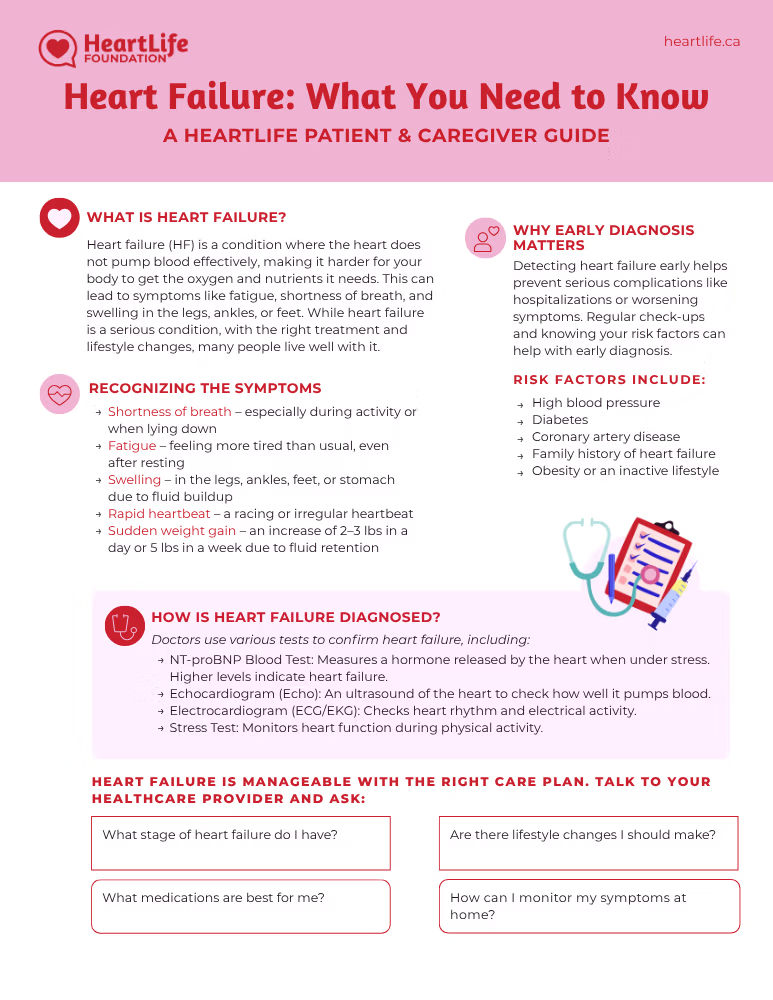 Download Patient Resource Guide
Our Support Group
The HeartLife Foundation is a patient-driven charity whose mission is to transform the quality of life for people living with heart disease by engaging, educating, and empowering a global community to create lasting solutions and build healthier lives. Join our Help for Hearts closed Facebook group to get support and share ideas.
Join Us & Subscribe
Have your voice heard. If you are a patient, family member or friend of someone with lived experience of heart disease or if you are a practitioner, allied health professional, not-for-profit or corporate partner, or simply a concerned citizen – Become a member – it's free.