
Understanding HCM / oHCM
Your comprehensive guide to cardiovascular disease management
What is Hypertrophic Cardiomyopathy (HCM)?
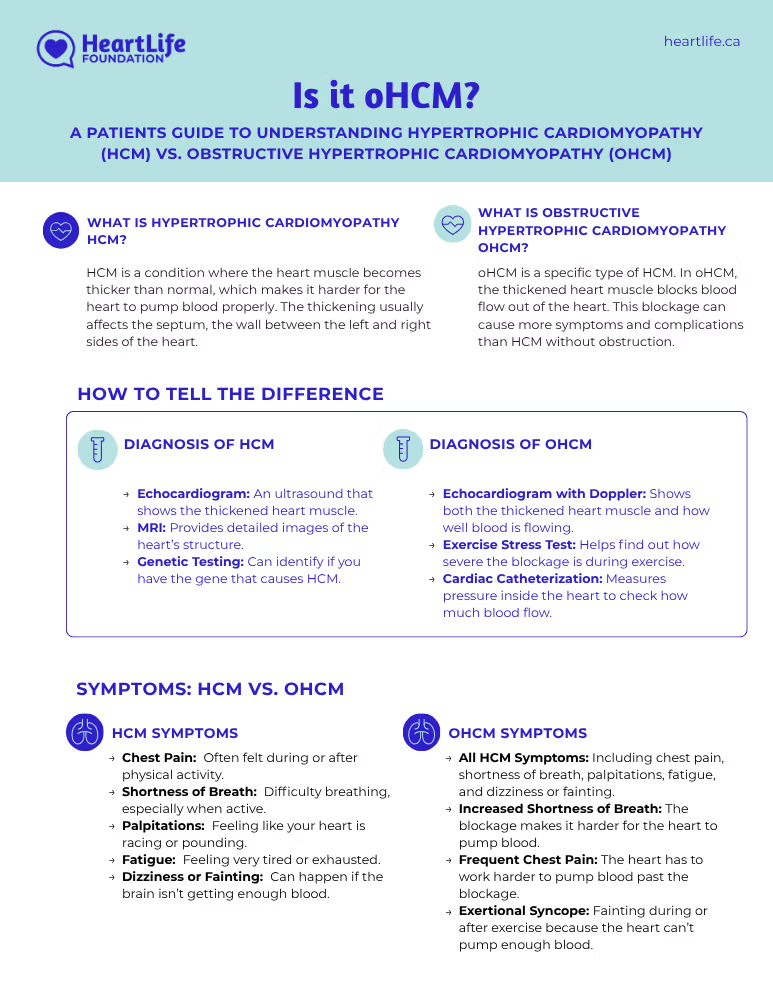
HCM is a condition where the heart muscle becomes thicker than normal, which makes it harder for the heart to pump blood properly. The thickening usually affects the septum, the wall between the left and right sides of the heart. Understanding the difference between HCM and oHCM is important for proper treatment and management.
What is Obstructive Hypertrophic Cardiomyopathy (oHCM)?
oHCM is a specific type of HCM. In oHCM, the thickened heart muscle blocks blood flow out of the heart. This blockage can cause more symptoms and complications than HCM without obstruction.
Key Difference: While all patients with oHCM have HCM, not all patients with HCM have obstruction. The obstruction is what distinguishes oHCM from HCM and often requires more intensive treatment.
HCM / oHCM Overview
Symptoms, Diagnoses & Key Differences
Understanding the symptoms, diagnoses, and key differences between HCM and oHCM.
HCM
Symptoms
- Chest Pain: Often felt during or after physical activity.
- Shortness of Breath: Difficulty breathing, especially when active.
- Palpitations: Feeling like your heart is racing or pounding.
- Fatigue: Feeling very tired or exhausted.
- Dizziness or Fainting: Can happen if the brain isn't getting enough blood.
Diagnosis
- 1 Echocardiogram: An ultrasound that shows the thickened heart muscle.
- 2 MRI: Provides detailed images of the heart's structure.
- 3 Genetic Testing: Can identify if you have the gene that causes HCM.
oHCM
Symptoms (ontop of HCM)
- Increased Shortness of Breath: The blockage makes it harder for the heart to pump blood.
- Frequent Chest Pain: The heart has to work harder to pump blood past the blockage.
- Exertional Syncope: Fainting during or after exercise because the heart can't pump enough blood.
Diagnosis
- 1 Echocardiogram with Doppler: Shows both the thickened heart muscle and how well blood is flowing.
- 2 Exercise Stress Test: Helps find out how severe the blockage is during exercise.
- 3 Cardiac Catheterization: Measures pressure inside the heart to check how much blood flow is blocked.
Treatment Options
Managing HCM and oHCM involves medications, procedures, and lifestyle adjustments tailored to your condition.
HCM
Medications
- Beta-blockers
- Calcium channel blockers
- Other drugs to help with symptoms
Lifestyle Changes
- Eat a healthy diet
- Exercise regularly (but avoid heavy exercise)
- Don't smoke
oHCM
Medications
- Cardiac myosin inhibitors: Help by calming down the muscle, so the heart doesn't squeeze so forcefully. This helps the heart relax better and makes it easier for blood to flow in and out.
Procedures
- Septal Myectomy: Surgery to remove part of the thickened heart muscle.
- Alcohol Septal Ablation: A non-surgical procedure where alcohol is injected to shrink the obstructed area.
- Implantable Devices: Pacemakers or defibrillators to control heart rhythm problems.
Living with HCM and oHCM
Both conditions require regular visits to your heart doctor, taking medications as prescribed, and making lifestyle changes. Since these conditions can be passed down in families, it's important to consider genetic counseling and have family members screened.
Need more information?
Visit the HeartLife Academy for comprehensive video resources about HCM / oHCM and other cardiovascular health.
Check it outGet the Pamphlet
 Download Patient Resource Guide
Our Support Group
The HeartLife Foundation is a patient-driven charity whose mission is to transform the quality of life for people living with heart disease by engaging, educating, and empowering a global community to create lasting solutions and build healthier lives. Join our Help for Hearts closed Facebook group to get support and share ideas.
Join Us & Subscribe
Have your voice heard. If you are a patient, family member or friend of someone with lived experience of heart disease or if you are a practitioner, allied health professional, not-for-profit or corporate partner, or simply a concerned citizen – Become a member – it's free.