
Understanding Dyslipidemia
Your comprehensive guide to cardiovascular disease management
What is Dyslipidemia?
Dyslipidemia means there are unhealthy levels of fats (lipids) in your blood, like cholesterol or triglycerides.
Dyslipidemia often has no symptoms. Many people only learn about it through a blood test.
Why is this important?
Uncontrolled dyslipidemia increases your risk of:
Risks
The good news: Treatment works. Lowering LDL cholesterol and triglycerides greatly reduces the risk of future heart problems.
How Dyslipidemia is Diagnosed
A simple blood test called a lipid panel measures:
Total cholesterol
Measured in a lipid panel
LDL cholesterol
Measured in a lipid panel
HDL cholesterol
Measured in a lipid panel
Triglycerides
Measured in a lipid panel
How Dyslipidemia is Treated
Medications
First-line drugs to lower LDL
Helps block cholesterol absorption
Powerful injectables to lower LDL further
New option for those who can't take statins
For high triglycerides
Lifestyle
Eat heart-healthy foods (fruits, vegetables, whole grains, lean protein, healthy fats)
Be active — aim for at least 150 minutes of moderate exercise per week
Avoid smoking and limit alcohol
Maintain a healthy weight
Living With Dyslipidemia
-
Take medicines exactly as prescribed
-
Track your numbers over time
-
Remember: cholesterol management is about long-term heart health, not just a lab test
-
Support is available — you are not alone
Questions to Ask Your Healthcare Team
Your healthcare team will establish personalized targets based on your condition.
Medication decisions depend on your current risk level and how well lifestyle changes are working.
ApoB and Lp(a) provide additional insight into your cardiovascular risk and may be recommended.
Frequency depends on your treatment plan. Your doctor will recommend a schedule based on your needs.
Ask your healthcare team about potential side effects and when to seek medical attention.
Need more information?
Visit the HeartLife Academy for comprehensive video resources about Dyslipidemia and other cardiovascular health.
Check it outGet the Pamphlet
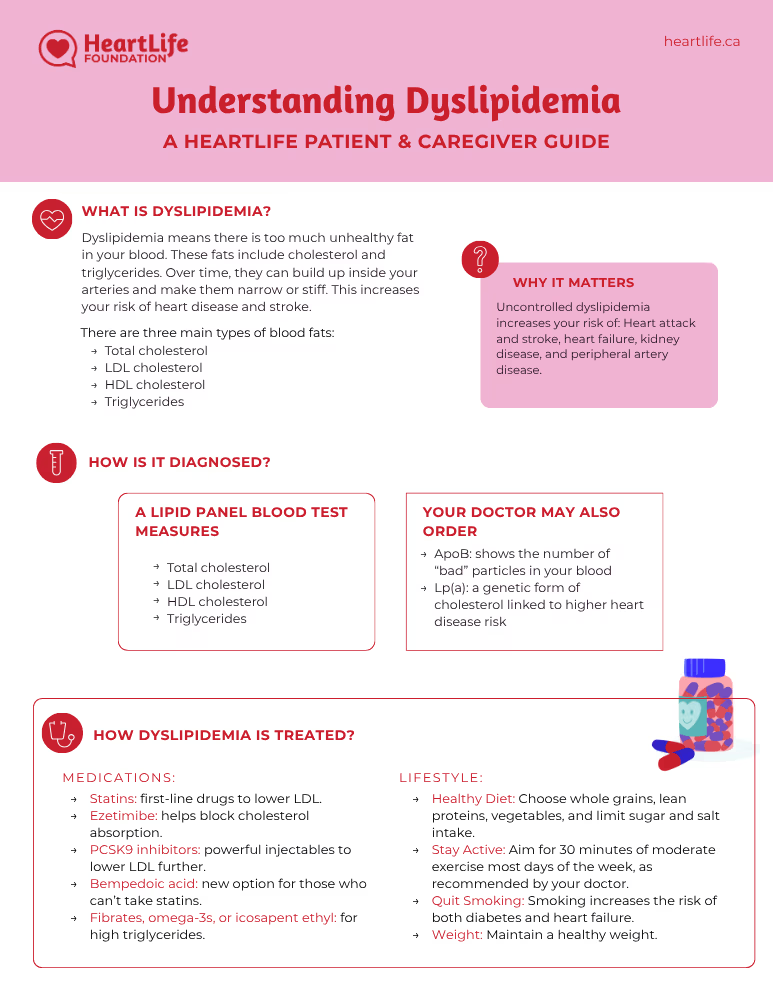 Download Patient Resource Guide
Our Support Group
The HeartLife Foundation is a patient-driven charity whose mission is to transform the quality of life for people living with heart disease by engaging, educating, and empowering a global community to create lasting solutions and build healthier lives. Join our Help for Hearts closed Facebook group to get support and share ideas.
Join Us & Subscribe
Have your voice heard. If you are a patient, family member or friend of someone with lived experience of heart disease or if you are a practitioner, allied health professional, not-for-profit or corporate partner, or simply a concerned citizen – Become a member – it's free.