
Understanding
Atherosclerotic Cardiovascular Disease
What is ASCVD?
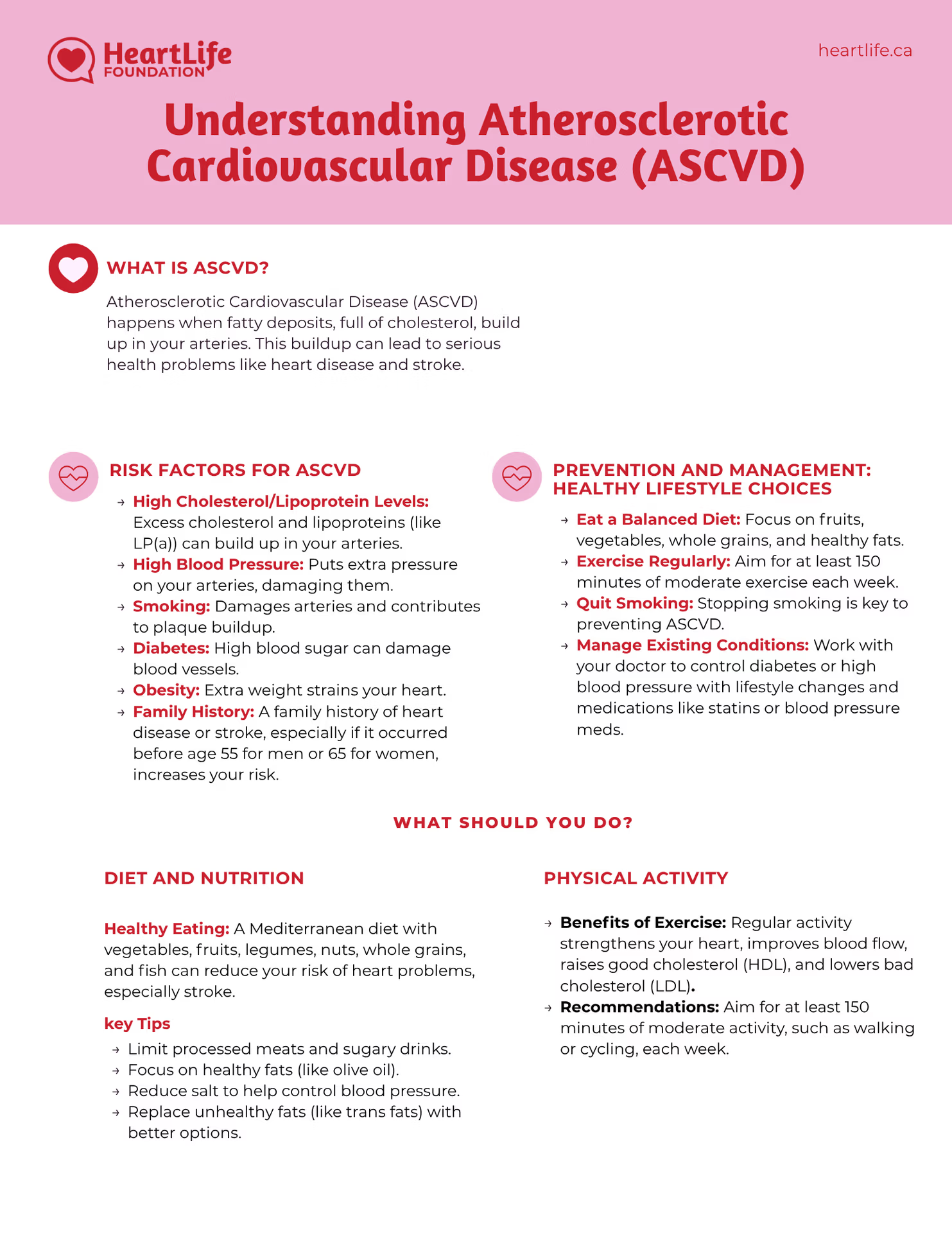
Atherosclerotic Cardiovascular Disease (ASCVD) happens when fatty deposits full of cholesterol build up in your arteries. This buildup, known as plaque, can narrow or block blood flow, leading to serious health problems like heart disease and stroke. Understanding ASCVD is the first step toward protecting your heart health.
Have You Tested Your LP(a)?
What is LP(a)? Lipoprotein(a), or LP(a), is a type of fat in the blood that can significantly increase your risk of heart disease and stroke. High levels of LP(a) can lead to plaque buildup in the arteries, similar to high cholesterol.
Why It Matters: It's important to ask your doctor to test your LP(a) levels, especially if you have a family history of heart disease. Unlike other cholesterol types, LP(a) is largely determined by genetics, making early detection crucial.
What should you do?
Eat A Healthy Balanced Diet
- Focus on fruits, vegetables, whole grains
- Choose healthy fats (like olive oil)
- Limit processed meats and sugary drinks
- Reduce salt intake
- Consider a Mediterranean diet
Exercise Regularly
- 150 minutes of moderate activity weekly
- Walking and cycling are excellent options
- Staying active strengthens your heart
- Improves blood flow
- Raises good cholesterol (HDL)
Quit Smoking & Limit Alcohol
- Stopping smoking lowers your risk of heart disease and stroke. Limited alcohol consumption reduces strain on your heart and manages blood pressure.
- Consider nicotine replacement therapy
- Ask about medications to help quit
- Seek support from healthcare providers
- Keep drinking to a minimum
Manage Stress
- Practice regular exercise
- Maintain a balanced diet
- Get good quality sleep
- Try mindfulness or meditation
- Build social support networks
Managing your health
Take an active role in your heart health. Here are key areas to manage with your healthcare provider.
- Understand your medications and how they help
- Communicate with your doctor if you have any questions
- Use tools like pillboxes or phone reminders to stay on track
- Keep your medication routine simple and easy to follow
- Eat a balanced diet rich in fruits, vegetables, and whole grains
- Engage in regular physical activity
- Be mindful of portion sizes to avoid overeating
- Use tools like food diaries and support groups to improve dietary habits
Need more information?
Visit the HeartLife Academy for comprehensive video resources about ASCVD and other cardiovascular health.
Check it outGet the Pamphlet
 Download Patient Resource Guide
Our Support Group
The HeartLife Foundation is a patient-driven charity whose mission is to transform the quality of life for people living with heart disease by engaging, educating, and empowering a global community to create lasting solutions and build healthier lives. Join our Help for Hearts closed Facebook group to get support and share ideas.
Join Us & Subscribe
Have your voice heard. If you are a patient, family member or friend of someone with lived experience of heart disease or if you are a practitioner, allied health professional, not-for-profit or corporate partner, or simply a concerned citizen – Become a member – it's free.